Beyond the Basic Stripe: How Pastel Vertical Patterns Create Tranquil, Sophisticated Designs
In the vast universe of graphic design and interior aesthetics, few elements are as universally recognized yet endlessly versatile as the stripe. While we often associate stripes with nautical themes or rigid corporate branding, a specific variation has emerged as a dominant force in modern creative endeavors: set patterns of pastel vertical stripes. This isn't just about alternating colors; it is about creating a seamless mosaic of soft, soothing colors that envelops the viewer in tranquility.
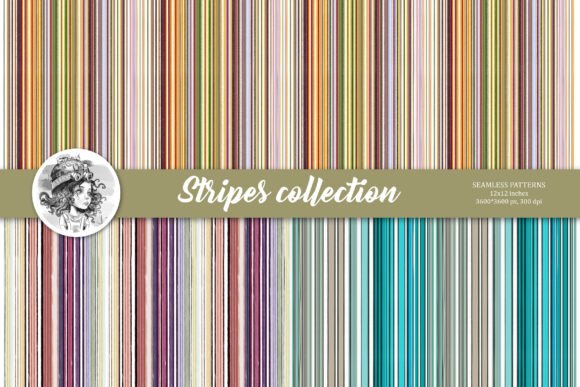
Imagine a background texture where each stripe varies in refreshing shades of burgundy, lilac, light green, and beige. When these elements come together in a watercolor style, they do more than simply fill space—they create a captivating striped background texture that transforms any design project. Whether you are a digital marketer crafting a landing page, an interior designer selecting wallpaper, or a fashion enthusiast choosing fabric, understanding the power of this pattern can elevate your work from ordinary to extraordinary.
The Psychology of Color and Form
To truly appreciate the impact of this pattern, we must first look at the components individually. The combination of color and orientation triggers specific psychological responses in the human brain. Understanding these responses allows designers to harness the pattern’s potential for emotional resonance.
The Soothing Power of Pastels
Pastel colors have long been associated with calmness, nostalgia, and gentleness. Unlike high-saturation hues that demand immediate attention, pastels invite the eye to rest. In a world that is increasingly visually noisy—filled with flashing notifications, bold advertisements, and chaotic media—the use of soft, muted tones offers a visual sanctuary. This is particularly relevant in today’s "slow living" movement, where consumers seek out products and environments that promote mental well-being and relaxation.
However, pastels alone can sometimes feel flat or boring if not executed with care. This is where the complexity of the palette becomes crucial. The inclusion of deep, grounding tones like bougie burgundy prevents the design from feeling too airy or insubstantial. It adds weight and sophistication, anchoring the lighter shades of lilac, light green, and beige.
Verticality and Direction
While horizontal stripes are often linked to stability and breadth, vertical stripes are synonymous with height, elegance, and upward momentum. They draw the eye upward, creating an illusion of length and stature. In interior design, vertical stripes on walls can make a room feel taller and more spacious. In fashion, they elongate the silhouette. When applied to digital interfaces, vertical lines can guide the user’s gaze down the page, encouraging scrolling and engagement without being aggressive.
The Watercolor Effect: Adding Texture and Depth
A standard geometric stripe pattern can feel sterile and mechanical. What sets the seamless pattern envelops with its tranquility apart is the application of a watercolor-style finish. This technique introduces organic imperfections into the rigid structure of the stripe, bridging the gap between mathematical precision and artistic expression.
- Soft Edges: The bleeding edges of the watercolor effect soften the transition between colors, preventing harsh lines that can cause visual fatigue.
- Color Variation: Real watercolors rarely have uniform pigment density. By mimicking this, the pattern gains depth, making it feel tactile and alive rather than digitally flat.
- Seamless Repetition: A true seamless pattern ensures that the motif repeats flawlessly, allowing it to be tiled across large surfaces—such as website backgrounds, textile prints, or wall coverings—without visible breaks.
This "stylish and invigorating atmosphere" is achieved through the interplay of these textures. The burgundy might bleed slightly into the lilac, creating a new, transient purple hue in the overlap. The beige acts as a neutral buffer, allowing the more vibrant greens and purples to pop without clashing. The result is a sophisticated appeal that feels both curated and effortless.
Practical Applications in Modern Life and Business
Why should you care about a seamless repeating watercolor-style stripes pattern? Because it fits seamlessly into a wide array of practical applications across various industries. Here is how this aesthetic is transforming creative endeavors today.
Digital Design and User Experience (UX)
In web design, background noise is a constant challenge. Solid colors can be dull, while complex photographs can distract from the primary content. A subtle, pastel vertical stripe pattern serves as the perfect middle ground. It provides enough visual interest to keep the user engaged but remains subdued enough to ensure readability. For brands in the wellness, beauty, or lifestyle sectors, this pattern reinforces their message of calm and care.
Consider a skincare brand launching a new line of organic lotions. Using a packaging design featuring these soft, watercolor stripes immediately communicates natural ingredients and gentle formulas before the consumer even reads the label. The burgundy adds a touch of luxury, suggesting that the product is premium, while the green hints at botanical origins.
Interior Design and Home Decor
Homeowners and interior designers are increasingly moving away from stark minimalism toward "warm minimalism"—spaces that are clean but feel lived-in and comforting. Wallpaper featuring this seamless pattern can transform a small bedroom or a cozy reading nook. The vertical lines enhance the sense of space, while the pastel palette creates a restful environment conducive to sleep and relaxation.
Furthermore, this pattern works exceptionally well in nurseries and children’s rooms. The soft colors are easy on developing eyes, and the rhythmic nature of the stripes provides a soothing visual backdrop for play or rest. It avoids the cliché of cartoonish prints while still offering a playful, imaginative vibe.
Fashion and Textile Design
In the fashion industry, trends are cyclical, but certain aesthetics remain timeless. The return of 70s-inspired bohemian styles has brought watercolor patterns back into the spotlight. Designers are using this stripe motif on summer dresses, scarves, and home textiles. The mix of beige and light green evokes earthy, natural tones, while the lilac and burgundy add a romantic, vintage flair.
For independent designers, creating a unique print using this method allows for differentiation in a crowded market. By tweaking the shade ratios—for example, emphasizing the green for a spring collection or the burgundy for autumn—brands can maintain a consistent identity while adapting to seasonal moods.
Common Misconceptions About Pattern Usage
Despite its popularity, there are several misunderstandings about how to effectively use set patterns of pastel vertical stripes. Addressing these can help you avoid common pitfalls.
Misconception 1: More Color is Better.
One might assume that including all four colors—burgundy, lilac, light green, and beige—in equal measure will create a balanced look. However, this can lead to a muddy, chaotic appearance. The key to success lies in hierarchy. Typically, one color should dominate (often the beige or light green), while the others serve as accents. This ensures the pattern feels cohesive rather than cluttered.
Misconception 2: Pastels Lack Professionalism.
There is a lingering belief that soft colors are only suitable for casual or childish designs. As demonstrated by the inclusion of deep burgundy, pastels can be highly sophisticated. When paired with clean typography and ample white space, a pastel stripe pattern can convey elegance and high-end quality, making it appropriate for corporate stationery, luxury branding, or professional presentations.
Misconception 3: Digital Patterns Don’t Need Texture.
Some designers skip the watercolor effect in digital files to save on processing power or file size. However, the subtle texture adds perceived value. In high-resolution displays, the slight variations in color density become apparent, adding a layer of richness that a flat vector gradient cannot replicate. It is worth the effort to include these details.
Building Your Own Palette
If you are inspired to incorporate this aesthetic into your next project, start by defining the mood you wish to evoke. Do you want a design that feels fresh and energetic? Lean towards the light green and beige. Do you want something warm and inviting? Increase the proportion of burgundy and lilac. Remember, the magic lies in the soft rhythm of the repetition. Ensure that the transitions between stripes are smooth and that the overall composition flows naturally.
Whether used in a mobile app interface, a boutique hotel lobby, or a trendy t-shirt, the seamless pattern envelops with its tranquility and soft rhythm, creating a captivating striped background texture that can transform any design project. By mastering the balance of color, form, and texture, you can bring a sophisticated appeal to any creative endeavor, connecting with your audience on a deeper, more emotional level.
Conclusion
The resurgence of set patterns of pastel vertical stripes is not merely a fleeting trend; it is a reflection of our collective desire for beauty that soothes rather than stimulates. In an era of information overload, these designs offer a breath of fresh air. They remind us that design is not just about conveying information, but also about setting a tone and evoking a feeling. By embracing the versatility of burgundy, lilac, light green, and beige in a watercolor style, creators can craft experiences that are not only visually stunning but also emotionally resonant. As you explore your own creative projects, consider how this timeless yet modern pattern can add depth, elegance, and tranquility to your work.