Abstract Vintage Patterns: Elevate Your Designs with Ornamental Flourishes
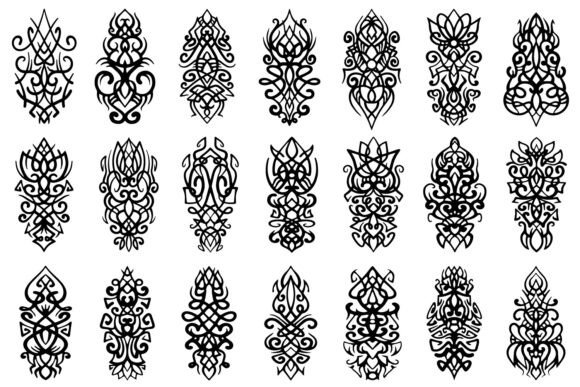
In the landscape of modern graphic design, there is a persistent tension between minimalism and ornamentation. While clean lines and sans serif fonts dominate digital interfaces, there remains a robust appetite for texture, history, and decorative flair in branding, packaging, and editorial work. This is where Abstract Vintage Patterns steps in as a versatile and sophisticated asset. It is not merely a font; it is a collection of 24 high-resolution, ornamental decorative design elements that bring a sense of timeless elegance to any project.
These swirl decorative flourish patterns are designed for creators who want to add depth without clutter. Whether you are a brand strategist building a luxury identity or a hobbyist scrapbooking memories, these assets provide the visual weight needed to anchor a composition. The collection bridges the gap between traditional typographic ornamentation and abstract artistic expression, offering a toolset that is both practical and aesthetically rich.
The Visual Personality of Abstract Vintage Patterns
At first glance, Abstract Vintage Patterns might be mistaken for a standard typeface, but its true value lies in its application as a design element rather than body text. The collection features intricate swirls, delicate filigree, and balanced ornamental shapes that evoke the aesthetics of the Victorian era, Art Nouveau, and classic engraving styles. These are not rigid, blocky characters; they are fluid, organic, and dynamic.
The visual characteristics of this set are defined by their versatility. Each pattern is crafted with precision, ensuring that the curves and intersections maintain integrity whether scaled up for a large-format poster or down for a social media icon. The "abstract" nature of the title suggests that while they reference historical ornamentation, they are stylized enough to fit contemporary contexts. They do not scream for attention like a bold display font might; instead, they whisper sophistication, adding a layer of premium quality to whatever surface they adorn.
This style appeals to designers because it offers immediate visual interest without requiring complex illustration skills. A single flourish from this set can transform a plain white label into a piece of art, or frame a logo in a way that suggests heritage and trustworthiness. The personality here is one of refined elegance, suitable for brands that wish to communicate stability, craftsmanship, and attention to detail.
Practical Applications Across Creative Industries
The utility of Abstract Vintage Patterns extends far beyond simple decoration. Its inclusion in multiple file formats makes it an indispensable part of a designer’s toolkit for various industries. Here is how these assets integrate into real-world workflows:
- Branding and Logo Design: For small businesses aiming for a boutique or artisanal look, these flourishes can serve as secondary marks or corner accents. When paired with a clean sans serif font for the main wordmark, the vintage patterns add character and memorability, helping the brand stand out in a crowded marketplace.
- Packaging Design: In the world of cosmetics, spirits, and gourmet foods, packaging is the first point of contact. Using these ornamental elements on labels or boxes can elevate the perceived value of the product. The high-resolution 300 ppi density ensures that even fine details print sharply, which is critical for physical products.
- Editorial and Publishing: Magazine headers, book covers, and chapter dividers benefit greatly from decorative breaks. These patterns can act as drop caps, section separators, or background textures that enhance readability by providing visual rest points for the reader.
- Social Media Graphics: Content creators often struggle to make static images pop. Overlaying subtle vintage swirls on Instagram posts or Pinterest pins adds a layer of professionalism and cohesion to a content feed, making it look curated rather than randomly assembled.
- Wedding and Event Invitations: This is perhaps the most intuitive use case. The romantic and formal tone of abstract vintage patterns aligns perfectly with wedding stationery, event programs, and save-the-date cards, creating an atmosphere of celebration and formality.
Technical Versatility and Workflow Integration
One of the strongest arguments for choosing Abstract Vintage Patterns is the comprehensive range of file formats included. Modern design projects rarely stick to a single software environment, and having your assets available in multiple formats eliminates technical bottlenecks.
The inclusion of JPG files at 300 ppi provides immediate usability for quick edits in Photoshop or Canva. These are ready-to-use raster images that require no further processing, ideal for bloggers or marketers who need to move fast. However, for professional designers, the PNG files with transparent backgrounds offer greater flexibility. Transparency allows you to layer these patterns over photos, gradients, or textured backgrounds without dealing with ugly white boxes, maintaining the integrity of the underlying design.
For those working in vector-based environments, the SVG, AI, and EPS (version 10) files are game-changers. Vector graphics allow you to scale these ornamental elements to any size without losing resolution. You can stretch a flourish to span the width of a billboard or shrink it to fit a business card corner. Furthermore, being in editable vector formats means you can recolor the patterns to match specific brand palettes, adjust stroke weights, or deconstruct the shapes to create new, unique designs. This level of control is essential for maintaining a consistent brand identity across all touchpoints.
Evaluating Fit and Implementation Strategy
Before integrating Abstract Vintage Patterns into a project, it is important to consider the overall visual hierarchy. Ornamentation should support the message, not compete with it. A common mistake is overusing decorative elements, which can lead to visual noise and reduced readability. Instead, use these patterns sparingly and strategically.
When testing font pairings, remember that these patterns act as a "creative font" in spirit. They carry significant visual weight. Therefore, they pair best with neutral, understated typefaces. A geometric sans serif font works well for a modern contrast, while a classic serif font can enhance the vintage feel. Avoid pairing them with other busy scripts or handwritten fonts, as this will create a chaotic composition that confuses the viewer.
Consider the medium of distribution. If your final output is digital-only, the SVG format is optimal for crispness on high-DPI screens. If you are printing, ensure your color profile matches the press requirements, though the vector files will adapt seamlessly. Always review the individual styles in the collection before committing to a layout. Some patterns may be more horizontal, while others are vertical or circular; choosing the right shape for the space is key to a balanced design.
Ultimately, the value of Abstract Vintage Patterns lies in its ability to inject personality into commercial and personal projects with minimal effort. By providing high-quality, multi-format assets, it empowers designers to achieve a polished, professional look that resonates with audiences seeking authenticity and beauty. Whether you are refreshing a legacy brand or launching a new creative venture, these ornamental elements offer a timeless solution for modern design challenges.