Cow Hide Seamless Patterns: A Practical Guide to High-Quality Digital Assets
When you are designing a project that requires texture, depth, or a rustic aesthetic, Cow Hide Seamless Patterns can be the perfect solution. Whether you are a scrapbooker looking for unique backgrounds, a textile designer creating fabric prints, or a marketer building a brand identity with an organic feel, having access to high-quality digital assets saves time and elevates your final product. However, not all digital downloads are created equal. Understanding the technical specifications, licensing, and application methods is crucial to ensuring your project looks professional and functions correctly.
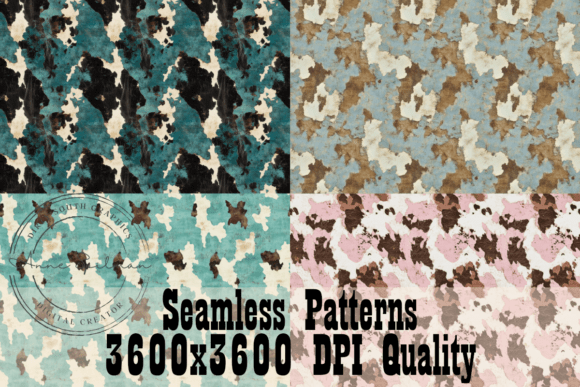
This guide focuses on a specific type of digital asset: a set of four tileable, seamless cow hide patterns available as instant downloads in .PNG format via Creative Fabrica. By understanding what these files actually are—and what they are not—you can avoid common pitfalls and make the most of this versatile design resource.
Understanding the Format: Why .PNG Matters
One of the first things designers need to grasp is file format. The product in question consists of images in .PNG format, specifically at 300 dpi color quality. This is significant because it dictates how you will use the file. PNGs are raster images, meaning they are made up of pixels. They are excellent for preserving transparency and maintaining sharp edges, but they do not scale infinitely without losing quality.
Many beginners mistakenly assume that any "digital download" is a vector file (like .SVG or .AI) that can be resized to the size of a billboard without any loss of detail. It is important to correct this misunderstanding immediately. These files are not vectors and not SVGs. They are fixed-resolution images. If you attempt to enlarge them beyond their original dimensions, you will see pixelation, blurriness, and a degradation in image quality. For most standard uses—such as web graphics, print materials up to large poster sizes, or digital backgrounds—this resolution is more than sufficient, but it is vital to respect the boundaries of the file's native size.
Resolution and Dimensions: What You Are Actually Getting
The specifications provided for this pattern set are precise and designed for high-end output. Each image is 3600×3600 pixels, which translates to a physical size of 12″ x 12″ at 300 dpi. Let’s break down why these numbers matter for your workflow.
- 300 DPI (Dots Per Inch): This is the industry standard for high-quality printing. If you plan to print these patterns on paper, fabric, or wrapping material, 300 dpi ensures that the printout is crisp and clear to the naked eye. Lower resolutions (like 72 dpi) are suitable for screens but will look blurry when printed.
- 3600×3600 Pixels: This provides ample resolution for detailed textures. Cow hide patterns rely on subtle variations in color and grain; high pixel counts preserve these details.
- 12″ x 12″ Physical Size: This dimension is particularly useful for crafters. Standard scrapbooking paper is often 12×12 inches. Having a pattern that matches this exact size allows you to drop the image into design software like Adobe Photoshop or Canva and have it fill the canvas perfectly without awkward cropping or scaling issues.
If you require a file that can be scaled to massive outdoor banners or huge wall murals where every inch must remain razor-sharp, a raster PNG might not be your best choice. In those cases, you would need a vector graphic. But for the vast majority of small business owners, hobbyists, and digital creators, this resolution strikes the ideal balance between file manageability and print quality.
The Power of Tileable Repeat Patterns
A key feature of this product is that the patterns are tileable. This means the edges of the image are designed to match perfectly with adjacent copies of itself. When you place one copy next to another, there is no visible seam or break in the cow hide texture. This creates a continuous, infinite surface.
Why is this important? Imagine you are designing a wallpaper for a website or a background for a social media post. If you use a non-tileable image, you will see distinct squares repeating, which looks amateurish and breaks the immersion. With a seamless pattern, you can stretch the image across any area, and it will appear as one cohesive, natural texture.
In design software, you typically achieve this by setting the image as a "Pattern Fill" or by tiling it manually. Because these files are seamless, you don’t need to spend hours editing the edges to make them blend. The hard work has already been done. This efficiency is invaluable for freelancers and entrepreneurs who need to produce content quickly without sacrificing aesthetic quality.
Common Mistakes and How to Avoid Them
Even with high-quality assets, errors can occur during the creation process. Here are some practical warnings to help you avoid poor results.
1. Ignoring Color Profiles
Digital screens use RGB color mode, while printers use CMYK. While modern software handles conversions reasonably well, colors can shift slightly when moving from screen to print. If you are using these cow hide patterns for a printed product, always check your proof before finalizing the order. The rich browns and blacks of the hide should remain deep and vibrant, not washed out.
2. Over-Scaling Beyond Limits
As mentioned, these are not vectors. A common mistake is dragging the corner of the image in your design tool until it fills a large portion of the page, then zooming in to check the details. At that point, you may notice the texture becomes muddy or pixelated. Instead, if you need a larger area covered, use the tiling feature to repeat the 12×12 inch block rather than stretching a single block. This maintains the integrity of the 300 dpi resolution across the entire surface.
3. Assuming Instant Gratification Means No Planning
Because the download is instant via Creative Fabrica, it is easy to grab the file and start designing without considering the end goal. Ask yourself: Is this for a digital blog header? A physical greeting card? A textile sample? Your answer determines how you prepare the file. For digital use, you might compress the file to reduce load times. For print, you keep the full 300 dpi uncompressed PNG. Planning ahead prevents rework and wasted effort.
Practical Applications for Creators and Businesses
The versatility of these seamless cow hide patterns makes them a valuable addition to any designer’s toolkit. Here are several realistic examples of how professionals and hobbyists utilize such assets:
- Scrapbooking and Card Making: Hobbyists can use the 12×12 inch size directly as a base layer for digital scrapbook pages. The seamless nature allows for creative layouts where the texture flows across multiple pages or elements.
- Textile and Fabric Design: Fashion designers and home decor enthusiasts can use these patterns as repeats for fabric prints. The 300 dpi quality ensures that the texture looks realistic when woven or printed onto material.
- Packaging and Wrapping Paper: Small businesses selling artisanal goods can create custom packaging. A cow hide texture adds a rustic, premium feel to boxes, bags, and tags, helping products stand out on shelves.
- Digital Backgrounds and Wallpapers: Bloggers and content creators can use the patterns as subtle backdrops for text or product showcases. The seamless property allows the background to extend indefinitely behind content blocks.
- Banners and Marketing Materials: Event organizers can incorporate these textures into digital banners for websites or social media ads, adding visual interest without cluttering the message.
Evaluating Value and Licensing
When purchasing digital assets, always review the license agreement. Products on platforms like Creative Fabrica often come with different tiers of licensing, such as personal use only or commercial use allowing resale of physical items. Ensure that your intended use aligns with the license granted. For example, if you are a small business owner creating branded merchandise, you will likely need a commercial license that permits you to sell products featuring these patterns.
Furthermore, consider the value proposition. Buying a pre-made, high-quality, seamless pattern set saves hours of manual texture creation. For professionals, time is money. The ability to instantly download a 4-set pack of 300 dpi, tileable patterns for a fraction of the cost of hiring a custom illustrator is a smart investment for efficient workflow management.
Final Thoughts on Quality and Execution
Success in graphic design often comes down to attention to detail. By choosing Cow Hide Seamless Patterns that are properly formatted, correctly resolved, and genuinely tileable, you set yourself up for a smoother design process and a superior final product. Remember to respect the limitations of raster images, leverage the power of tiling for expansive designs, and always verify your color outputs for print.
Whether you are a seasoned pro refining your brand’s visual language or a beginner exploring the world of digital crafting, these assets offer a robust foundation. Download the files, experiment with the tiles, and integrate the texture into your projects with confidence. The key is to use the right tool for the job, and for many texture-heavy designs, a high-quality PNG seamless pattern is exactly that tool.