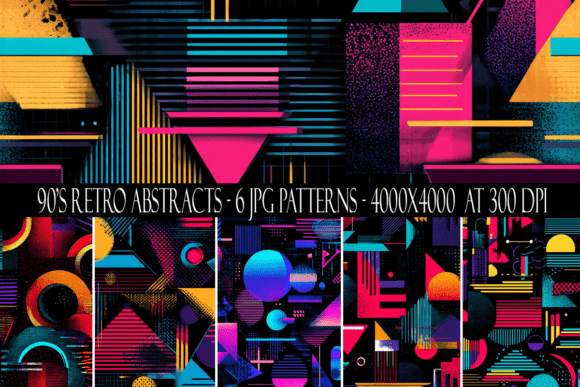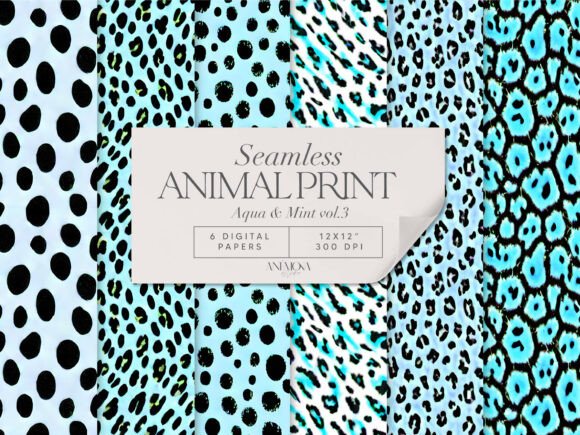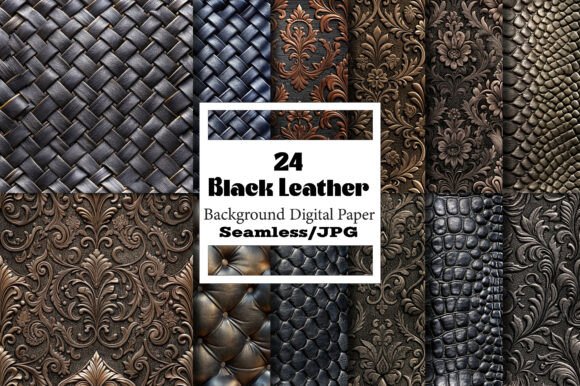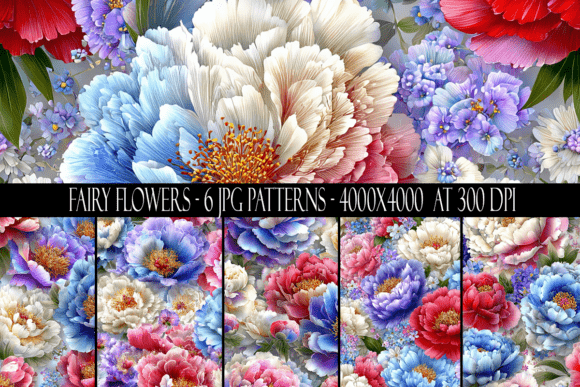
Retro Graphic Print Seamless Patterns
There is something undeniably magnetic about the mid-century modern aesthetic. It’s that specific blend of bold geometry, muted earth tones, and playful typography that instantly transports us back to a time when design was both functional and deeply expressive. When you bring this vibe into your digital workspace through Retro Graphic Print Seamless Patterns, you aren’t just adding a background; you are injecting a curated era of style into your current projects. These aren't just static images; they are versatile, high-resolution assets designed to integrate seamlessly into a wide variety of creative workflows.
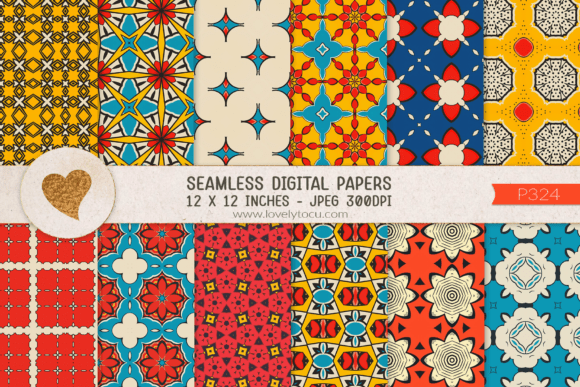
The core appeal of these patterns lies in their infinite repeatability. Whether you are designing a scrapbook page for a family reunion or creating a custom t-shirt for a local festival, the ability to tile an image without visible seams is crucial. The collection provides twelve distinct papers, each rendered at 12×12 inches with a crisp 300dpi resolution. This specification might sound like technical jargon to some, but it translates directly to professional-grade quality. You can zoom in on a printed invitation or scale up a large-format banner, and the edges will remain sharp and clean, free from the pixelation that plagues lower-quality downloads.
Transforming Scrapbooking and Junk Journaling
If you spend your weekends cutting, pasting, and collaging, you know the struggle of finding backgrounds that don’t compete with your photos but instead enhance them. Standard solid colors can feel flat, while overly busy prints can create visual noise. Retro graphic patterns hit that sweet spot. They provide texture and interest without overwhelming the narrative of your album.
Imagine you are documenting a vintage car show. A geometric pattern featuring checkerboard flags or stylized road lines can serve as the perfect anchor for your polaroids. Or perhaps you are journaling about a summer vacation? A pattern with retro sunbursts or atomic starbursts can evoke that carefree, optimistic energy of the 1950s and 60s. Because these files are delivered as JPGs, they are incredibly easy to import into popular scrapbooking software like Canva, Adobe Photoshop, or even mobile apps like PicsArt. You can layer them under text boxes, use them as clipping masks for photos, or simply let them stand alone as a vibrant backdrop.
Junk journal enthusiasts often look for tactile elements, but digital versions allow for experimentation before committing to physical materials. You can test how a teal and orange geometric print looks against a black-and-white photo before deciding to print it out. This flexibility saves time and reduces waste, allowing for a more fluid creative process.
Elevating Party Decor and Event Branding
Planning a themed party is half the fun, but executing the decor can be stressful. One of the most impactful ways to set a tone is through consistent branding across invitations, table runners, and favor tags. Using a cohesive set of seamless patterns ensures that every element feels intentional and polished.
Consider a "Retro Game Night" theme. By utilizing the included graphic prints, you can create matching digital invites that guests receive via email, followed by printable PDF templates for table numbers and place cards. The seamless nature of the patterns means you can stretch the design across a long banner or wrap it around a cylindrical cake pop box without worrying about awkward cuts or mismatched edges. For DIY crafters who use home printers, the 12×12 size is standard, making it compatible with most scrapbooking paper cutters and printer trays.
Beyond parties, these patterns are excellent for small business branding. If you run a boutique selling vintage-inspired clothing or home goods, using these graphics on your packaging tissue paper or product labels adds a layer of perceived value. It signals to the customer that attention to detail matters, reinforcing the brand's identity before they even open the box.
Sublimation and Textile Design Opportunities
For those involved in sublimation printing, color accuracy and resolution are paramount. The 300dpi requirement of these digital papers ensures that when you transfer the design onto polyester fabrics, mugs, or ceramic tiles, the result is vibrant and clear. Sublimation relies on heat to turn ink into gas, which then bonds with the material. Low-resolution images tend to blur during this process, but a high-quality source file maintains its integrity.
You might use a retro floral-graphic hybrid pattern to design a set of kitchen towels. Or, take a bold, abstract geometric print and apply it to tote bags for a local market stall. The versatility of the JPG format means you can easily crop sections of the pattern to focus on specific motifs—like isolating a single geometric shape—and resize it for smaller applications like pin badges or sticker sheets.
It is worth noting that while JPG is a widely supported format, it does not support transparency. This means if you are layering these patterns over other designs in a complex layout, you will need to work within the rectangular boundaries of the image. However, for full-page backgrounds or repeating textures, this limitation is negligible. The solid, opaque nature of the JPG actually helps ensure that underlying layers do not bleed through unintentionally, providing a stable foundation for your design.
Practical Considerations for Digital Crafters
Before diving into your next project, it helps to understand the workflow implications of using pre-made seamless patterns. While they save immense amounts of time compared to creating a pattern from scratch, they also require a strategic approach to avoid generic results. The key is customization. Don’t just slap the pattern on the page; manipulate it.
Try rotating a pattern by 45 degrees to change its dynamic flow. Adjust the opacity to make it subtle enough to sit behind handwritten notes. Combine two different patterns from the set—for example, a fine grid with a larger organic shape—to create a layered, collage-like effect. These small adjustments transform a stock asset into a unique component of your personal style.
Another consideration is the color palette. Retro aesthetics often rely on specific harmonies, such as mustard yellow paired with olive green, or pastel pinks with slate blue. Ensure that the colors in the pattern complement the primary subjects of your project. If your photos have warm tones, choose a pattern with cooler undertones to create contrast, or stick to analogous colors for a soothing, unified look.
Why This Collection Stands Out
In a market flooded with low-quality clipart, the emphasis on 300dpi and true seamlessness sets this collection apart. Many free or cheap resources offer tiled images that repeat visibly after just a few inches, ruining the illusion of a continuous surface. With twelve carefully crafted designs, you have enough variety to mix and match without running out of options. The JPG format ensures compatibility across almost all devices and software, removing technical barriers for beginners while still offering sufficient quality for advanced users.
Whether you are a seasoned designer looking for quick accents or a hobbyist wanting to elevate your home decor, these retro graphic prints offer a practical solution to the common problem of "blank page syndrome." They provide instant texture, history, and charm, allowing you to focus on the content of your message rather than struggling with the mechanics of design. By integrating these high-quality, versatile backgrounds into your workflow, you unlock a faster, more enjoyable creative process that yields professional-looking results every time.