Red White Stripes Seamless Patterns
In a digital landscape saturated with visual noise, the ability to create immediate recognition is a strategic asset. Color psychology and pattern consistency are not merely aesthetic choices; they are foundational elements of brand identity and user experience design. Among the most enduring and universally recognized motifs is the striped pattern. Specifically, Red White Stripes Seamless Patterns offer a distinct advantage for creators and businesses looking to evoke feelings of patriotism, energy, celebration, or classic Americana without the overhead of custom illustration.
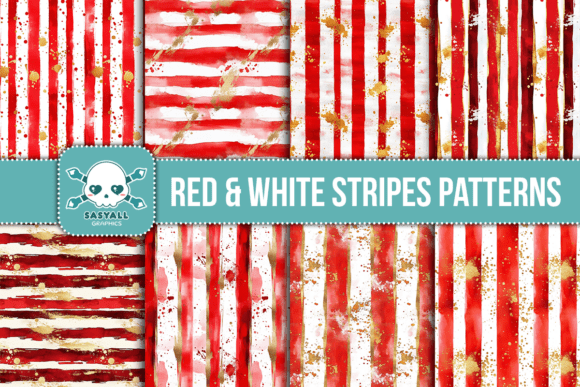
This specific digital asset pack—comprising eight unique seamless patterns in high-resolution PNG format—is designed for versatility. It serves as more than just a decorative background; it is a tool for strategic communication. Whether you are a small business owner preparing for a holiday sale, a blogger seeking to enhance site aesthetics, or an educator creating engaging materials, understanding how to deploy these patterns effectively can significantly impact your output’s perceived professionalism and appeal.
The Strategic Value of Seamless Design
Before diving into the specific attributes of red and white stripes, it is crucial to understand the utility of "seamless" in digital design. A seamless pattern repeats infinitely without visible breaks or edges. This technical feature allows designers to apply a texture to any size canvas—from a tiny button on a website to a full-page backdrop for a presentation—without worrying about awkward cropping or mismatched tiles.
When you utilize Red White Stripes Seamless Patterns, you are leveraging a pre-tested visual rhythm. The human brain processes repetitive geometric shapes quickly, reducing cognitive load for the viewer. This makes them ideal for backgrounds where text or primary content must remain legible. By choosing a seamless option over a static image, you ensure scalability and consistency across multiple platforms, which is essential for maintaining a cohesive brand presence.
Understanding the Palette: Red, White, and Context
The combination of red and white carries significant semantic weight. In marketing and design, this palette is rarely neutral. It commands attention. Red is associated with urgency, passion, excitement, and appetite stimulation, while white provides contrast, cleanliness, and clarity. Together, they create a high-contrast dynamic that is difficult to ignore.
However, this power requires careful handling. The strategic use of Red White Stripes Seamless Patterns depends heavily on context:
- Patriotism and National Identity: In many countries, particularly the United States, this color scheme is inextricably linked to national holidays such as Independence Day, Memorial Day, or Labor Day. Using these patterns during relevant seasonal campaigns can foster a sense of community and shared identity.
- Retro and Vintage Aesthetics: The stripe motif often evokes mid-century modern design or classic diner culture. For brands targeting nostalgia or aiming for a playful, approachable vibe, these patterns provide instant character.
- Clean and Clinical Contrast: When used sparingly or in thinner variations, red and white can suggest medical precision or retail clearance events (often seen in sales signage). This association can drive action but may also signal "discount" rather than "premium."
Decision-makers must ask themselves: Does this color story align with our brand voice? If your brand is minimalist and serene, bold red stripes might clash. If your brand is energetic, bold, and traditional, these patterns are a natural fit.
Practical Applications Across Industries
The included pack of eight digital papers offers variety within the theme, allowing for nuanced application. Here is how different professionals can integrate these assets into their workflows to achieve better results.
For E-Commerce and Retailers
Small business owners and online retailers can use these patterns to boost conversion rates during seasonal peaks. Instead of designing custom banners from scratch, which consumes valuable time and budget, you can apply the Red White Stripes Seamless Patterns as headers, footers, or product card backgrounds. This consistency reinforces brand recall. Furthermore, using these patterns on packaging inserts or digital gift certificates adds a tactile quality to digital transactions, enhancing the overall customer experience.
For Content Creators and Bloggers
Blogger publishers often struggle with visual monotony. Integrating seamless patterns as section dividers or featured image backgrounds can break up long-form text and guide the reader’s eye. Because the patterns are provided in PNG format, they support transparency if layered correctly, allowing for complex compositions. You might use a subtle stripe pattern behind a quote block to draw attention to key takeaways, thereby improving information retention for your audience.
For Educators and Presenters
Educators and corporate trainers can leverage these designs to create engaging slide decks or printable worksheets. The rhythmic nature of stripes can help structure information visually. For instance, alternating rows in a data table with a faint stripe pattern improves readability. When preparing handouts for workshops, using these patterns for borders or title pages can make materials feel polished and professionally produced, even when created quickly.
For Print-on-Demand and Apparel
If you operate in the print-on-demand space, having a library of high-quality seamless textures is vital. The eight patterns included in this ZIP file allow for rapid prototyping of t-shirts, mugs, tote bags, and wall art. Because the files are seamless, you can tile them across large fabric prints without visible seams, ensuring a professional finish. This reduces the barrier to entry for launching new product lines tied to cultural moments or trends.
Technical Considerations and Best Practices
To get the most out of this digital product, one must approach it with technical diligence. The package includes 8 digital papers in PNG format within a ZIP archive. PNG is the preferred format for web graphics due to its lossless compression and support for transparency, though JPEGs are sometimes preferred for pure photographic backgrounds due to smaller file sizes. For pattern overlays, PNG remains superior.
Resolution and Scalability
Always verify the DPI (dots per inch) of the downloaded files before printing. For high-quality physical prints like wall art or apparel, a resolution of 300 DPI is standard. For web use, 72–96 DPI is typically sufficient. Ensure that the dimensions of the PNG files meet your project requirements. If you need a larger background for a website header, check that the pattern tiles seamlessly at that scale without pixelation.
Color Harmony and Balance
A common mistake is overwhelming the viewer with too much pattern. When using Red White Stripes Seamless Patterns, adhere to the 60-30-10 rule of design. Let the pattern serve as one part of the composition. Pair it with solid colors that complement the red and white—such as navy blue, charcoal gray, or crisp white—to create balance. Avoid pairing it with other busy patterns or highly saturated colors that compete for attention.
Accessibility Standards
Inclusive design is a critical component of modern digital strategy. High-contrast patterns can be visually stimulating, but they must not interfere with text legibility. Always test your designs against accessibility standards. If the stripes are too thick or vibrant, they may cause discomfort for users with photosensitive conditions or reduce readability for those with visual impairments. Use the patterns as subtle textures rather than dominant foreground elements when dealing with text-heavy content.
Risks of Unintentional Usage
While powerful, these patterns are not without risk. The primary danger lies in contextual insensitivity. As noted, red and white stripes carry strong cultural connotations. Using them inappropriately—such as in contexts unrelated to the intended theme or during sensitive periods—can alienate your audience. Additionally, overuse can lead to visual fatigue. If every element of your design screams for attention, nothing stands out.
Another risk is the perception of low effort. If the pattern appears generic or poorly integrated, it may detract from the perceived value of your product or service. To avoid this, invest time in layout planning. Use the patterns intentionally, ensuring they support your message rather than distract from it.
Long-Term Value and Asset Management
Investing in a pack of eight seamless patterns is a cost-effective strategy for building a reusable design library. Rather than commissioning custom illustrations for every project, you can maintain a core set of versatile textures. This approach streamlines operations, allowing you to focus on strategy and content creation rather than basic graphic production.
Organize these files logically within your digital asset management system. Tag them by color, style, and potential use cases. Over time, as you gather more resources, you will have a robust toolkit that enables rapid response to market trends and client needs. The flexibility of the PNG format ensures compatibility with almost all major design software, from Adobe Creative Cloud to Canva, making these assets accessible regardless of your technical proficiency.
Conclusion on Strategic Application
The decision to incorporate Red White Stripes Seamless Patterns into your projects should be driven by clear objectives. Are you aiming to evoke nostalgia? Drive urgency? Create a festive atmosphere? Once the goal is defined, these patterns become a precise instrument for achieving it. By respecting the cultural weight of the colors, adhering to technical best practices, and integrating them thoughtfully into your broader design strategy, you can enhance both the aesthetic quality and the communicative power of your work. This is not just about decoration; it is about making informed decisions that yield better engagement, clearer branding, and more effective results.