Retro Geometrical Patterns: Bridging Nostalgia and Precision in Modern Design
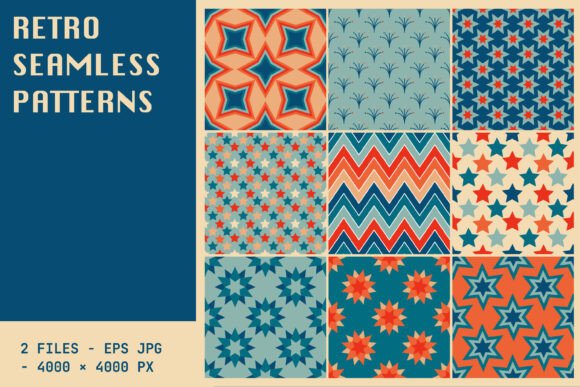
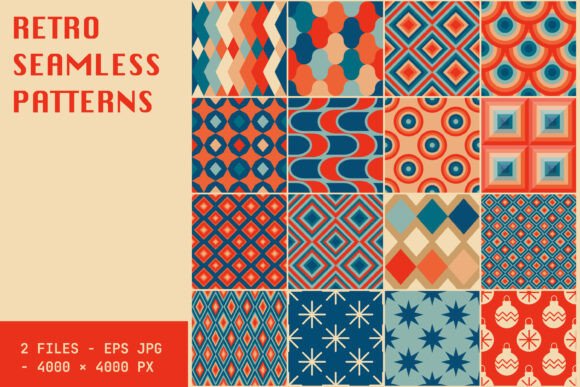
In an era where digital interfaces are often dominated by minimalist flat design and soft, organic gradients, there is a distinct resurgence of structured, mathematically precise visual language. Retro Geometrical Patterns have emerged not merely as a fleeting aesthetic trend, but as a robust tool for communication, branding, and creative expression. These designs, characterized by their sharp lines, repeating shapes, and nostalgic nods to mid-century modernism or 80s synth-wave aesthetics, offer a unique balance of order and creativity. When paired with high-fidelity technical specifications such as EPS JPG – 4000 x 4000 px 300 dpi, these patterns transform from simple decorative elements into versatile assets capable of meeting the rigorous demands of both print and digital media.
The Evolution of Geometric Aesthetics
To understand the current relevance of retro geometrical patterns, one must look at their historical roots. Geometry has long been a cornerstone of artistic movement, from the Bauhaus school’s emphasis on form following function to the psychedelic art of the 1960s that utilized complex tessellations. However, the "retro" aspect specifically taps into a cultural nostalgia for eras defined by clear structures and bold optimism. In the 1970s and 80s, geometric abstraction was used extensively in corporate identity, textile design, and album covers. Today, this visual language is being reinterpreted through a contemporary lens.
The shift toward these patterns is partly a reaction against the homogenization of modern web design. As users scroll through countless websites and social media feeds, they develop "banner blindness," ignoring overly polished, generic layouts. Retro geometrical patterns cut through this noise because they engage the eye differently. They suggest complexity, intentionality, and craftsmanship. For creators and marketers, this means higher engagement rates when these patterns are used strategically in backgrounds, headers, or packaging materials. The human brain is wired to recognize patterns; when those patterns are familiar yet stylized, they create a sense of comfort mixed with intrigue.
Technical Specifications: Why Resolution and Format Matter
Aesthetic appeal is only half the equation. In professional design workflows, the technical quality of an asset determines its usability. This is where the specification of EPS JPG – 4000 x 4000 px 300 dpi becomes critical. Understanding these metrics is essential for professionals who need to bridge the gap between digital screens and physical prints.
- 4000 x 4000 Pixels: This square resolution provides ample canvas space for intricate details. Whether scaling down for a mobile app icon or expanding up for a large-format banner, starting with a high pixel count ensures that no detail is lost during resizing. It allows designers to crop sections of the pattern seamlessly without introducing pixelation or blurriness.
- 300 DPI (Dots Per Inch): This is the industry standard for high-quality printing. If a business owner intends to use a retro geometric pattern on product packaging, brochures, or trade show displays, 300 DPI guarantees crisp edges and vibrant colors. Lower resolutions suitable for web display (typically 72 DPI) would result in jagged edges and muddy textures when printed.
- EPS vs. JPG Formats: The dual availability in EPS (Encapsulated PostScript) and JPG (Joint Photographic Experts Group) formats caters to different workflow needs. JPG files are universally compatible, lightweight, and ideal for quick previews, web usage, or raster-based editing in Photoshop. Conversely, EPS files are vector-based, meaning they can be scaled infinitely without losing quality. This is indispensable for logo design, typography integration, or any project requiring precise editing of individual geometric shapes.
Practical Applications Across Industries
The versatility of retro geometrical patterns makes them applicable across a wide spectrum of industries. For entrepreneurs and small business owners, these patterns offer a cost-effective way to elevate brand identity without the need for custom illustration from scratch.
Branding and Packaging
In the consumer goods sector, shelf appeal is paramount. A product package adorned with a subtle, elegant geometric pattern stands out against competitors using plain solid colors or chaotic photographic imagery. Consider a craft coffee brand or a boutique skincare line; a retro-inspired geometric wrapper suggests heritage, quality, and attention to detail. The high-resolution nature of the asset ensures that fine lines remain sharp even on small labels, reinforcing the perception of premium quality.
Digital Marketing and Web Design
For bloggers and digital marketers, background texture plays a crucial role in user experience. Using a low-opacity geometric pattern behind text can improve readability by providing contrast without distracting the reader. Furthermore, in social media advertising, static images with strong geometric compositions often perform better than stock photography because they convey a message quickly and clearly. The ability to export these assets as high-DPI JPEGs allows marketers to maintain consistency across all platforms, from Instagram posts to LinkedIn banners.
Educational Materials and Presentations
Educators and corporate trainers are increasingly moving away from bland slide templates. Incorporating retro geometrical elements into presentation decks or handouts can make information more digestible. Geometry implies structure and logic, which subconsciously reinforces the credibility of the data being presented. Teachers can use these patterns to create engaging worksheets or classroom decorations that stimulate visual interest while maintaining an organized environment.
Integrating Trends with Sustainable Practices
Modern consumers are increasingly conscious of sustainability and authenticity. While digital assets themselves do not have a carbon footprint, the way they are used does. High-quality, reusable assets like retro geometric patterns reduce the need for constant new content creation, thereby saving time and resources. Moreover, the "retro" trend aligns with the circular economy mindset—repurposing old ideas in new contexts rather than discarding them. By selecting timeless geometric designs over trendy, ephemeral graphics, businesses ensure their marketing materials remain relevant for longer periods, reducing waste associated with frequent rebranding.
Additionally, the technical efficiency of vector-based EPS files supports sustainable workflows. Vector files require less storage space compared to massive raster images and are easier to edit, reducing the computational energy required for rendering and processing. For tech-savvy freelancers and agencies, adopting efficient asset management practices contributes to a leaner, more environmentally friendly operation.
Strategic Recommendations for Creators
To maximize the impact of retro geometrical patterns, creators should adopt a strategic approach rather than applying them randomly. Here are several practical recommendations:
- Maintain Color Harmony: Retro patterns often rely on specific color palettes. Ensure that the colors chosen complement your brand identity. Muted tones evoke sophistication, while bold primaries convey energy and playfulness.
- Balance Negative Space: Do not overwhelm the viewer. Use the pattern as a background element or an accent rather than the primary focus. The 4000x4000px resolution allows you to scale the pattern so that it provides texture without clutter.
- Leverage Both Formats: Use JPGs for rapid prototyping and web delivery, but always keep the EPS source file for final production. This ensures that if a client requests changes or if the project moves to print, you have a scalable master file ready.
- Contextualize the Style: Not all geometric patterns fit all brands. Analyze your target audience. A fintech startup might prefer clean, monochromatic geometry to suggest stability, whereas a music festival poster might benefit from vibrant, complex overlapping shapes.
Looking Forward: The Future of Pattern Design
As technology evolves, so too will the application of these patterns. With the rise of augmented reality (AR) and virtual spaces, geometric patterns may take on three-dimensional forms, creating immersive environments. However, the core appeal of retro geometrical patterns lies in their simplicity and clarity. Regardless of future technological shifts, the human preference for order, symmetry, and recognizable forms remains constant.
Furthermore, AI-assisted design tools are beginning to generate variations of existing patterns. This opens up possibilities for hyper-personalization, where a brand could generate unique geometric backgrounds tailored to individual user preferences. Yet, the foundational principles of good design—balance, contrast, and alignment—remain unchanged. Professionals who understand the underlying mechanics of these patterns will continue to thrive, using them as building blocks for innovative and effective communication.
In conclusion, retro geometrical patterns are more than just a stylistic choice; they are a functional design solution that bridges past aesthetics with modern technical requirements. By utilizing high-quality assets like EPS JPG – 4000 x 4000 px 300 dpi, creators and businesses can produce work that is visually striking, technically robust, and culturally resonant. Whether you are designing a website, printing a brochure, or crafting a brand identity, integrating these patterns offers a reliable path to creating memorable and professional outcomes.