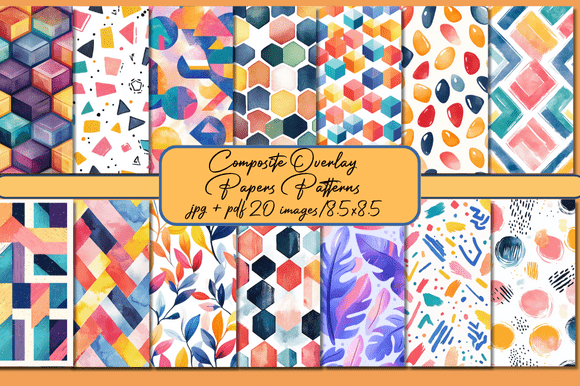
Composite Overlay Papers Patterns
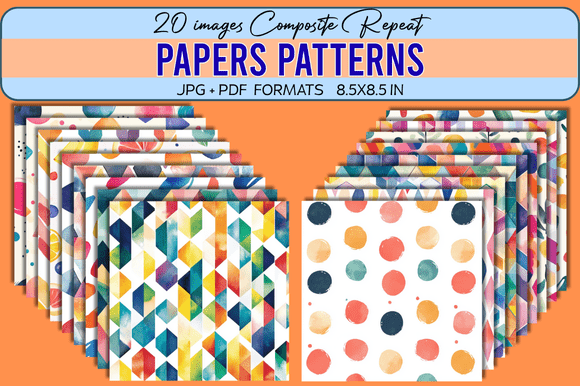
If you have ever stared at a blank canvas—whether it is a piece of cardstock, a planner page, or the side of an acrylic tumbler—and felt that sudden wave of creative paralysis, you are not alone. The gap between having an idea and executing it flawlessly is often bridged by the right tools. For crafters, designers, and DIY enthusiasts, finding textures and patterns that add depth without overwhelming the design can be a challenge. This is where Composite Overlay Papers Patterns step in as a versatile solution. These digital assets are designed to integrate seamlessly into your workflow, offering high-resolution layers that mimic the tactile feel of physical paper while providing the flexibility of digital editing.
Understanding what these overlays actually are helps clarify their immense value. Think of them as digital stencils or textured skins. They are not just flat images; they are layered compositions that include various patterns, textures, and decorative elements. When applied correctly, they transform a mundane background into something with character and history. Whether you are looking to add a vintage grain to a modern invitation or create a complex, multi-layered scrapbook spread, these patterns provide the structural integrity needed for professional-looking results. The inclusion of both PDF and JPG formats ensures that whether you are working in Photoshop, Procreate, or even a simple word processor, you have access to the resources you need.
Transforming Everyday Projects with Digital Texture
The beauty of composite overlays lies in their adaptability. Let’s look at how different creators utilize these assets in real-world scenarios. For the stationery designer, time is money. Creating unique letterheads or business cards from scratch takes hours. By using composite overlay patterns, a designer can instantly apply a sophisticated texture to a base template. Imagine creating a wedding invitation suite. Instead of starting with plain white stock, you layer a subtle linen texture overlay, followed by a delicate floral border pattern, and finally, a soft watercolor wash. The result is a rich, inviting aesthetic that feels hand-crafted, yet was assembled efficiently using digital tools.
Scrapbookers face a similar challenge: preserving memories in a visually engaging way. Physical embellishments can be expensive and bulky. Digital alternatives offer a cleaner workspace. With a pack containing 20 high-resolution images, users can curate specific moments. Perhaps you are documenting a baby shower. You might select a pastel-themed overlay from the collection to frame photos of the parents-to-be. Or maybe you are compiling a travel journal. A map-texture overlay combined with a vintage stamp pattern can evoke the nostalgia of a journey without needing to glue actual postcards onto the page. The ability to resize and recolor these digital elements means every project remains unique, avoiding the "cookie-cutter" look that plagues many homemade crafts.
Beyond Paper: Expanding Creative Horizons
While the name suggests paper, the application of Composite Overlay Papers Patterns extends far beyond traditional crafting. One of the most exciting trends in the maker community is personalizing merchandise. Take acrylic tumblers, for example. These items require designs that wrap around curved surfaces and withstand handling. High-resolution overlays allow artists to create intricate sleeve designs that adhere perfectly to the vinyl transfer process. The 8.5×8.5 inch standard size is particularly useful here, as it provides enough detail to be scaled up without pixelation, ensuring crisp lines on larger products.
Similarly, gift wrapping has evolved. Gone are the days when buying pre-printed paper was the only option. Today, many people print custom wrapping paper at home or use digital proofs to guide commercial printers. Using composite patterns allows for thematic consistency. If you are hosting a themed party, you can match the invitations, place cards, and wrapping paper by applying the same overlay set across all materials. This level of cohesion elevates the perceived effort and care put into the event, making guests feel truly special.
Even digital content creators benefit from these assets. Bloggers and social media influencers constantly need eye-catching graphics. A well-chosen texture overlay can break up text-heavy posts or serve as a compelling background for quotes. It adds visual interest that stops the scroll. For those creating printable planners, these patterns help differentiate sections. A monthly view might feature a bold geometric overlay, while the weekly daily log uses a softer, more organic pattern. This visual hierarchy aids usability, making the planner not just functional but also enjoyable to use.
Navigating Technical Considerations and Quality
When investing in digital products, quality assurance is paramount. The description highlights that all files are provided in high resolution, which is crucial for any project involving printing. Low-resolution images become blurry and pixelated when enlarged, ruining the professional finish. The inclusion of both PDF and JPG formats addresses different user needs. PDFs are ideal for vector-based editing or maintaining precise layout structures, while JPGs are universally compatible with almost all image editing software. This dual-format approach removes friction, allowing users to jump straight into creation regardless of their preferred toolset.
However, there are practical considerations regarding color accuracy. As noted, actual colors may vary slightly due to monitor settings. Screens emit light, while printed materials reflect it. An RGB color on your screen will never perfectly match its CMYK equivalent on paper. To mitigate this, it is wise to perform test prints before committing to large batches. Additionally, the quality of the final output depends heavily on the printer used. Home inkjet printers may produce vibrant, saturated colors but might struggle with fine details compared to professional offset printing services. Understanding these limitations helps manage expectations and guides users toward the best production method for their specific project.
Maximizing Value Through Versatility
The true strength of this collection lies in its breadth. With 20 distinct images included in one zip file, users receive a diverse palette of styles. This variety prevents monotony. One day you might need a rustic, burlap-like texture for a farm-to-table event brochure; the next, you might require a sleek, metallic foil effect for a corporate award certificate. Having such a range available instantly saves the frustration of hunting for multiple disparate sources. It consolidates the creative resource library into a single, accessible location.
For educators and parents, these patterns can facilitate creative learning activities. Children can engage in digital collage projects, learning about composition and color theory by layering different patterns. Older students involved in graphic design courses can study how textures influence mood and perception. The accessibility of digital files means these lessons can be repeated and refined endlessly, encouraging experimentation without the waste associated with physical materials.
Ultimately, Composite Overlay Papers Patterns represent more than just a collection of images; they are a toolkit for expression. They empower individuals to take control of their creative output, reducing barriers to entry while raising the ceiling for quality. Whether you are a seasoned graphic designer looking to speed up your workflow or a hobbyist eager to add a professional touch to your handmade gifts, these overlays provide the foundation for success. By focusing on practical application and high-quality execution, they bridge the gap between imagination and reality, allowing you to bring your vision to life with confidence and style.